Do I Need an EICR for a Holiday Home in the UK

A holiday home can feel low-risk because guests stay for a few nights, not a few years. But the electrics do not care how long someone is there. A loose connection, damaged socket, overloaded circuit or ageing consumer unit can still cause electric shock or fire.
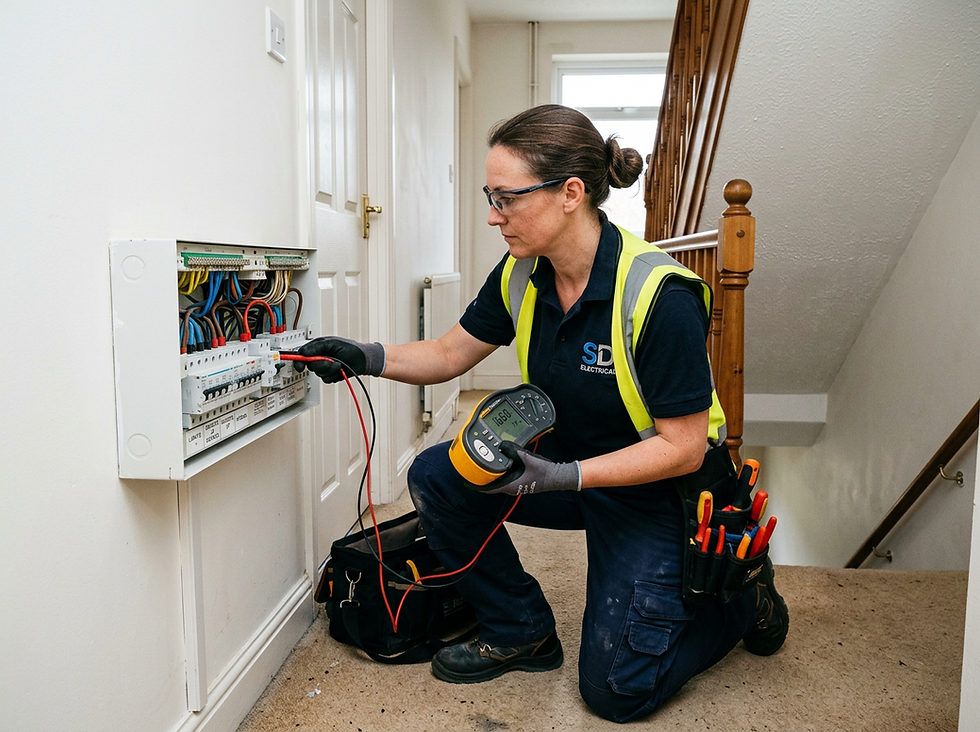
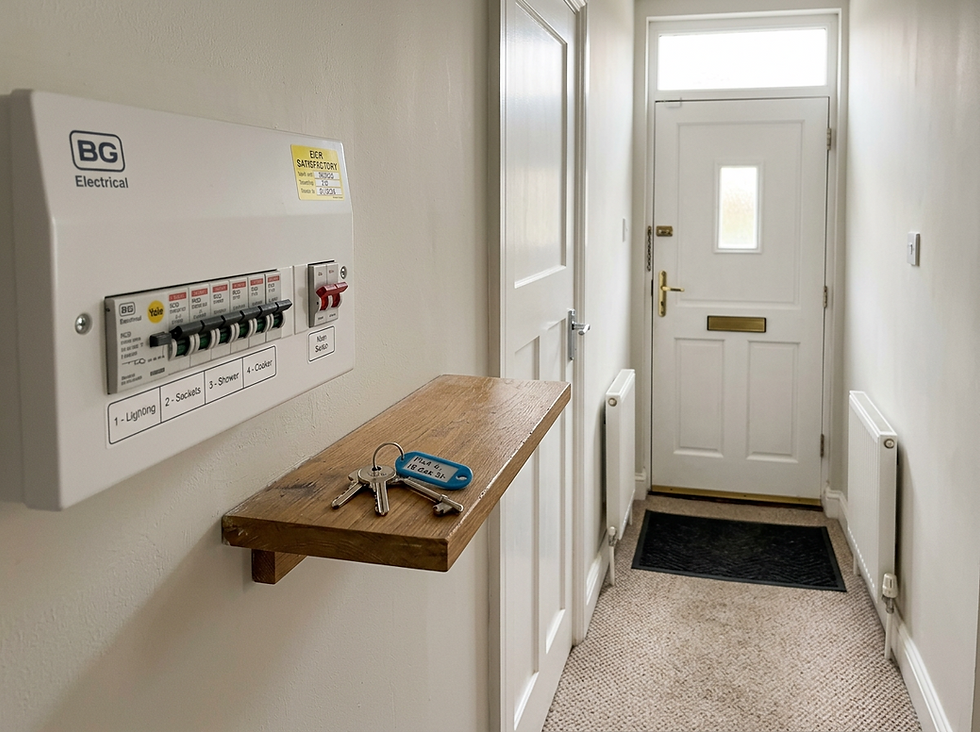
An EICR, short for Electrical Installation Condition Report, is a formal inspection of the fixed electrics in a property. It covers the wiring, fuse board or consumer unit, sockets, switches, lighting circuits, earthing and bonding. It does not usually cover plug-in appliances, which are dealt with separately through visual checks or PAT testing.
So, do you need an EICR for a holiday home in the UK? The short answer is this:
If the holiday home is only for your own private use, an EICR is usually not a legal requirement. If you let it to paying guests, you should treat an EICR as essential, and in some UK nations or letting situations it may be required or expected.
The detail matters, because the rules differ depending on whether the property is your own second home, a furnished holiday let, a short-term let, or a longer-term rental.

What an EICR actually tells you
An EICR is not a certificate saying the electrics are new or perfect. It is a condition report. A qualified electrician inspects and tests the installation, then records whether it is safe for continued use.
The report usually includes:
The condition of the consumer unit
The state of wiring, sockets, switches and lighting points
Whether earthing and bonding are adequate
Whether circuits are protected properly
Signs of wear, damage, poor workmanship or overheating
Recommendations for remedial work
The electrician will give observations with codes. The main ones are:
Code | What it means | What you should do |
C1 | Danger present | Make safe immediately |
C2 | Potentially dangerous | Arrange urgent remedial work |
C3 | Improvement recommended | Consider upgrading, but it does not usually mean the report is unsatisfactory |
FI | Further investigation needed | Get the issue checked properly |
If the report has a C1, C2 or FI, it is normally classed as unsatisfactory. For a holiday let, that needs prompt attention. Letting guests stay in a property with known electrical hazards is a serious risk.
The key question is how the holiday home is used
The legal position depends less on the label “holiday home” and more on what you do with the property.
If it is only for your own use
If you own a second home and only you, family or friends use it without payment, there is usually no specific law forcing you to have an EICR at set intervals.
That does not mean you should ignore it. Holiday homes are often left empty for long periods. Damp, pests, storm damage and ageing components can all affect the installation. A property near the coast may face corrosion more quickly than one inland. Older cottages may also have older wiring, additions made over time, or circuits that were never designed for modern loads.
For a private-use holiday home, a sensible approach is to get an EICR:
When you buy the property
Before major renovation work
If the property has old wiring or an old fuse box
After flood, fire, significant water ingress or storm damage
At regular intervals, often around every 5 years for peace of mind
Your insurer may also expect you to keep the property in a safe condition, especially if it is unoccupied for long periods. An EICR gives you a record that the fixed electrics have been checked by a competent person.
If you let it to paying guests
If guests pay to stay, the risk picture changes. You are providing accommodation to the public. That brings a duty to take reasonable steps to keep people safe.
For a furnished holiday let, serviced accommodation, Airbnb-style short stay or cottage rental, an EICR is strongly advisable. In practice, it is often treated as part of responsible holiday let management.
Even where a specific EICR rule does not apply in exactly the same way as it does to standard private tenancies, you may still need to satisfy:
General health and safety duties
Fire safety duties for guest accommodation
Insurance conditions
Mortgage or lender requirements
Letting agency or booking platform standards
Local licensing rules, especially for some short-term lets
If an electrical incident happened and you had no current inspection record, it would be harder to show that you took reasonable care.

EICR rules vary across the UK
Electrical safety law is not identical across England, Scotland, Wales and Northern Ireland. The summary below is a practical guide, not legal advice. If the property is licensed, managed by an agent, or used in a mixed way, check the rules that apply to that exact arrangement.
England
In England, private landlords must have electrical installations inspected and tested at least every 5 years for most private rented tenancies. They must provide the report to tenants and carry out required remedial work within the required timescales.
A typical short-term holiday let is not always treated in the same way as an assured shorthold tenancy. That creates confusion. Some owners assume this means no EICR is needed.
That is a risky reading. If you welcome paying guests, you still have a duty to provide safe accommodation. An EICR is one of the clearest ways to show the fixed electrics have been checked.
For many English holiday lets, a current EICR every 5 years is the practical standard to follow, even where the strict private tenancy regulations are not the direct route.
Scotland
Scotland has a licensing system for short-term lets. Electrical safety is part of the wider safety expectations for licensed accommodation. Local authorities usually expect owners to show that the electrical installation and appliances are safe.
A current EICR is commonly used for this. Portable appliance checks may also be expected for items guests use, such as kettles, microwaves, heaters and lamps.
If you operate a short-term let in Scotland, check your licensing conditions carefully. Requirements can be more formal than in other parts of the UK.
Wales
Wales has its own housing law for occupation contracts, and electrical safety checks apply in rented homes covered by those rules. Holiday accommodation can sit outside those standard occupation contract rules where it is genuinely short-term holiday use.
Even so, owners who let to guests should still keep the electrical installation safe. A current EICR is a sensible document to hold, especially if you use an agent, have insurance for holiday letting, or need to show due care after an incident.
Northern Ireland
Northern Ireland has different private rented sector rules. Even where a fixed 5-year EICR requirement is not the same as in England, holiday accommodation owners still have responsibilities around safety.
For paying guests, a periodic electrical inspection remains good practice. It can also help with insurance, risk assessments and maintenance planning.
Is an EICR enough for a holiday let?
No. An EICR covers the fixed electrical installation. It does not fully cover everything electrical that guests touch.
For a holiday let, you should also think about appliances and day-to-day safety.
Portable appliances need separate checks
Guests may use:
Kettles
Toasters
Microwaves
Hairdryers
Lamps
Electric heaters
Televisions
Extension leads
Washing machines and tumble dryers
These are not usually covered by the EICR. Many owners arrange PAT testing for portable appliances, especially in properties with regular guest turnover. PAT testing is not always required by name in every setting, but appliances must be safe.
You can also carry out visual checks between stays. Look for cracked plugs, scorch marks, frayed cables, loose sockets, damaged extension leads and appliances behaving oddly.
Fire safety still matters
Electrical safety links closely to fire safety. A safe holiday let should have appropriate smoke alarms, heat alarms where needed, safe escape routes and clear instructions for guests.
Avoid relying on extension leads as a permanent fix. If guests regularly need more sockets in bedrooms or living areas, it may be safer to have extra sockets installed by a qualified electrician.

How often should a holiday home have an EICR?
For many holiday homes let to guests, every 5 years is the common benchmark. That matches the interval used for many rented properties and is widely accepted as a sensible maximum period for accommodation used by paying guests.
An electrician may recommend a shorter interval if the property is higher risk. That could include:
Older wiring
Signs of damp
Heavy guest use
Previous electrical defects
A coastal location
Frequent use of high-load appliances
Outbuildings, hot tubs or external supplies
DIY electrical work by previous owners
You should also arrange an inspection sooner if something changes. Do not wait for the next planned check if lights flicker, breakers trip repeatedly, sockets feel warm, or guests report shocks or burning smells.
If you buy a holiday property, get an EICR before letting it. A clean sales survey does not mean the electrical installation has been tested properly.
Who can carry out an EICR?
An EICR should be carried out by a competent, qualified electrician with the right experience, test equipment and insurance.
Look for someone who can inspect and test domestic installations and who understands rental or holiday accommodation. Many owners choose electricians registered with schemes such as NICEIC or NAPIT, though the key issue is competence and suitability for the work.
Before booking, ask:
Will the report cover the whole fixed installation?
Can you carry out remedial work if needed?
How long will the power be off during testing?
Will you provide a written report with observations and codes?
Are you insured for inspection and testing work?
Do you understand holiday let requirements?
Keep the completed report safely. If you use a letting agent, they may need a copy. Your insurer may also ask for evidence after a claim.
What happens if the EICR is unsatisfactory?
An unsatisfactory report is not unusual, especially in older properties. It does not always mean the whole installation is unsafe beyond repair. It means the electrician found issues that need attention.
The next step is to arrange remedial work. For serious defects, do this before guests stay.
Common issues include:
No RCD protection where it is needed
Poor earthing or bonding
Damaged sockets or fittings
Exposed live parts
Outdated consumer units
Overloaded circuits
Unsafe outdoor wiring
Poorly installed additions
Once the work is complete, get written confirmation. This may be an Electrical Installation Certificate, a Minor Electrical Installation Works Certificate, or confirmation linked to the original EICR, depending on the work done.
Do not rely on a verbal “all sorted” if the property is let to guests. Keep paperwork with your safety records.

What records should holiday home owners keep?
Good records make holiday let management easier and safer. They also help if an agent, insurer, licensing body or guest asks questions.
Keep a simple safety folder with:
The latest EICR
Evidence of remedial work
PAT testing records, if carried out
Appliance manuals and purchase records where useful
Fire alarm and emergency lighting checks, if relevant
Gas safety certificate, if the property has gas
Notes of regular visual inspections
Dates when defects were reported and fixed
Digital copies are fine, provided they are easy to find. If more than one person manages the property, make sure everyone knows where the records are.
So, what is the safest answer?
If your holiday home is purely private, an EICR is usually a choice rather than a fixed legal duty. It is still a wise one, especially when buying, renovating or returning to a property after a long empty period.
If your holiday home is let to paying guests, the answer is much firmer. You should have a current EICR, normally renewed at least every 5 years or sooner if the electrician recommends it. In some parts of the UK, or under some licensing and letting arrangements, it may be required in practice.
The safest approach is simple: treat electrical safety as part of running the holiday home, not as optional paperwork. A current EICR protects guests, protects the property and gives you evidence that you took safety seriously.