Do You Need an EICR When Buying or Selling a House in the UK

Electrical safety can become a sticking point in a house sale very quickly. A buyer may spot an old fuse box. A survey may flag dated wiring. A solicitor may ask for certificates. Suddenly, everyone wants to know the same thing: do you actually need an EICR?
The short answer is: usually, an EICR is not a legal requirement when buying or selling a house in the UK. That applies to most owner-occupied homes being sold on the open market. But that does not mean an Electrical Installation Condition Report is irrelevant.
For sellers, it can help reassure buyers and reduce late-stage doubts. For buyers, it can reveal expensive or unsafe electrical issues before exchange. For landlords and rental properties, the rules are different.
This guide explains what an EICR is, when it is required, and when it is simply a sensible move.

What an EICR actually tells you
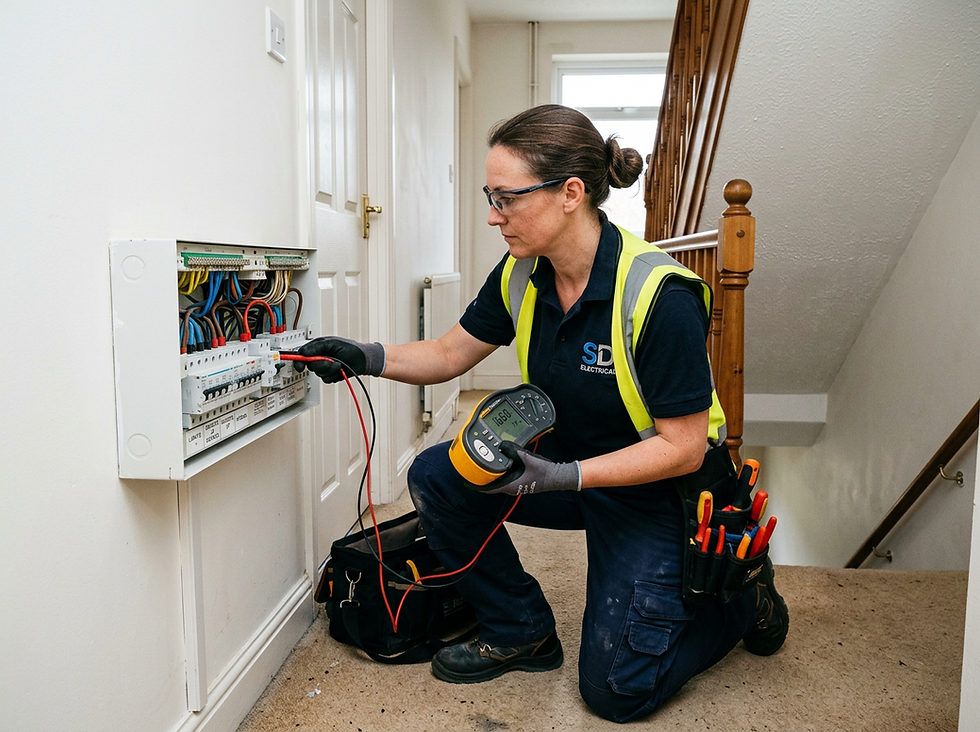
An EICR, or Electrical Installation Condition Report, is a formal inspection of the fixed electrical installation in a property.
It is not the same as checking whether the lights switch on. It looks at the safety and condition of the electrical system itself, including items such as:
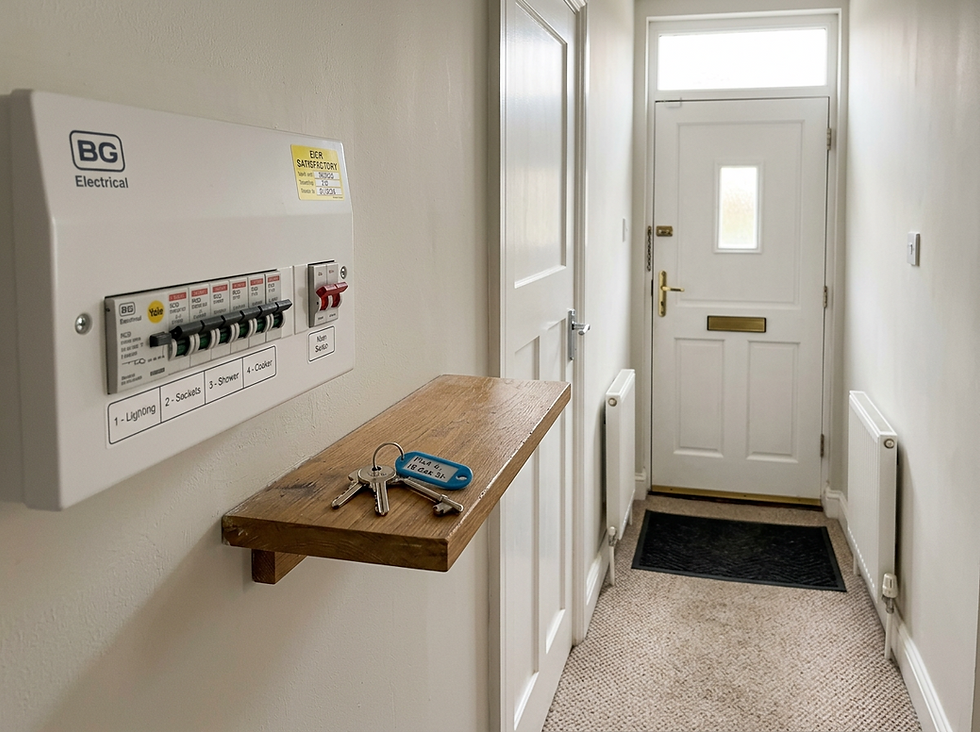
The consumer unit, often called the fuse box
Circuits and protective devices
Earthing and bonding
Sockets and switches
Signs of damage, overheating, poor workmanship, or wear
Whether the installation appears safe for continued use
The inspection must be carried out by a competent electrical professional. They will test the installation and record observations using standard classification codes.
The main codes are:
Code | What it means | Typical outcome |
C1 | Danger present | Immediate action needed |
C2 | Potentially dangerous | Urgent remedial work needed |
FI | Further investigation required | More checks needed without delay |
C3 | Improvement recommended | Not unsafe, but could be improved |
If an EICR contains C1, C2, or FI observations, the overall result will normally be unsatisfactory. That does not always mean the property is unliveable, but it does mean safety issues need attention.
A C3 observation is different. It means the installation could be improved, but it does not usually make the report unsatisfactory on its own.
For a buyer, these codes matter because they turn vague worries into specific findings. Instead of hearing “the electrics look old”, the buyer can see whether the issue is cosmetic, advisory, or genuinely unsafe.
For a seller, the same report can prevent misunderstandings. A dated-looking consumer unit may still be safe, or it may need work. An EICR gives everyone a clearer basis for discussion.
Do sellers legally need an EICR to sell a house?
In most UK house sales, a seller does not legally need to provide an EICR.
If the property is a standard owner-occupied house or flat, there is generally no blanket rule saying the seller must obtain an EICR before selling. A buyer, solicitor, surveyor, or mortgage lender may ask questions about the electrics, but that is not the same as a legal requirement to provide a report.
That said, a seller may still choose to arrange one.
An EICR can be useful when:
The property is older
The consumer unit looks dated
There has been DIY electrical work
The seller has no electrical paperwork
A previous buyer raised concerns
The property has been rented out
The seller wants to reduce the risk of renegotiation later
A house sale can fall apart over uncertainty. Electrical issues are a common source of that uncertainty because many buyers cannot judge the difference between “old but safe” and “unsafe”.
A recent satisfactory EICR can help answer that question early.
It can also be useful if the buyer’s survey says something broad, such as “the electrical installation should be checked by a qualified electrician”. That wording is common because building surveyors usually do not carry out full electrical testing. If the seller already has a report, it may calm the issue before it grows.
There is one important exception to keep in mind. If the property has been let out, or is being sold with tenants in place, rental safety rules may apply. In that case, the seller may already need an electrical safety report because of their duties as a landlord.
The exact rules depend on where the property is in the UK and the type of letting arrangement. For example, private landlords in England must usually have the electrical installation inspected and tested at least every five years. Wales, Scotland, and Northern Ireland have their own housing and rental safety frameworks.
This article is for general information only and is not legal advice. If a sale involves tenants, a house in multiple occupation, or unusual ownership arrangements, the safest route is to check with a qualified electrician and the conveyancer handling the sale.

Should buyers ask for an EICR before exchange?
A buyer does not usually have to arrange an EICR, but in many cases it is a smart precaution.
Buying a home is different from renting one. Once the purchase completes, electrical problems often become the buyer’s responsibility. If the wiring needs urgent work, that cost and disruption may arrive soon after moving in.
An EICR can help a buyer decide whether to:
Proceed with confidence
Ask the seller to fix specific defects
Renegotiate the price
Budget for future electrical work
Walk away from a property with serious safety concerns
The timing matters. If a buyer wants an EICR, it is usually best to arrange it before exchange of contracts. After exchange, the buyer is legally committed to complete the purchase, except in very limited circumstances.
A buyer will need the seller’s permission for an electrician to access the property. Most reasonable sellers will allow this, especially if the buyer is paying for the inspection. If the seller refuses, that does not automatically mean something is wrong, but it may leave the buyer with less certainty.
An EICR is especially worth considering when the property has warning signs such as:
An old fuse box with rewireable fuses
Very few sockets in each room
Scorch marks around sockets or switches
Flickering lights or frequent tripping
Exposed cables
Mixed modern and very old fittings
No evidence of recent electrical work
Extension leads used as a permanent solution
Recent renovation work with no certificates
A standard mortgage valuation is not designed to test electrical safety. A home survey may flag visible concerns, but it will not normally include detailed electrical testing. That is why an EICR can fill an important gap.
For many buyers, the main value is not just safety. It is knowing what they are taking on.
For example, a report with a few C3 observations may simply mean the installation is older but serviceable. A report with C2 issues could mean urgent remedial work is needed. If the electrician recommends a full rewire, the buyer can factor in the cost, mess, and timing before committing.
How an EICR can affect the sale
An EICR can affect a sale in different ways, depending on what it says and when it appears.
A satisfactory report can help a sale move more smoothly. It will not guarantee that the buyer will never raise electrical questions, but it gives a clear document to refer to.
An unsatisfactory report can slow things down, but it does not automatically stop the sale. Houses are often sold with known defects. The key question is how the buyer and seller deal with them.
There are usually three options.
Seller fixes the issue | Buyer accepts the issue | Price is renegotiated |
The seller arranges remedial electrical work before completion. | The buyer proceeds, knowing the work will be their responsibility after completion. | The parties agree a revised price or allowance to reflect the expected cost. |
The right option depends on the issue, the chain, the timescale, and how serious the defect is.
For a C1 issue, an electrician may need to make the danger safe straight away. For C2 or FI observations, the seller and buyer may need further discussion. Some defects are quick to fix. Others can reveal wider issues.
A seller should avoid making casual claims about the electrics unless they can back them up. Saying “it was all done recently” may lead to more questions if there are no certificates, invoices, or building control records.
Useful paperwork can include:
A recent EICR
Electrical Installation Certificates for new circuits or rewires
Minor Electrical Installation Works Certificates
Building Regulations compliance certificates for notifiable work
Receipts or reports from registered electricians
Guarantees for relevant electrical work
Not every home will have a perfect paper trail, especially older properties. Missing paperwork does not always mean unsafe work. But it can make buyers nervous, and an EICR may be the simplest way to check the current condition.

What to expect if you arrange an EICR
An EICR is more involved than a quick visual check. The electrician will need access to the consumer unit and parts of the installation around the home.
Power may need to be turned off during parts of the inspection. For an occupied home, it helps to plan around work calls, medical equipment, fridge and freezer concerns, alarms, and anything else that relies on electricity.
Before the visit, it is sensible to:
Clear access to the consumer unit
Make sure sockets and switches can be reached
Mention any known issues, such as tripping circuits
Share any old certificates or reports
Check whether outbuildings, garages, or garden supplies are included
The electrician may not be able to inspect every hidden part of the system. Electrical installations run through walls, floors, lofts, and voids. An EICR is designed to assess safety through inspection and testing, not to dismantle the whole property.
After the inspection, the report should set out the result, the observations, and any recommended action. If it is unsatisfactory, ask the electrician to explain which items are safety defects and which are improvements.
A good report should help non-electricians understand the seriousness of each issue. If the language is too technical, ask for plain English. In a property transaction, clear wording matters because buyers, sellers, estate agents, and conveyancers may all rely on the same document.
How long is an EICR valid for?
For rental properties, electrical safety reports are commonly required at intervals set by the relevant regulations, often up to five years depending on the property and location.
For a private sale of an owner-occupied home, there is no single “valid for sale” period in the same way. A report from last month carries more weight than one from several years ago, especially if work has been done since.
As a practical guide, a recent EICR is more useful than an old one. If the report is dated and the buyer has concerns, they may still ask for a fresh inspection.
Who should pay for it?
There is no fixed rule. The buyer or seller can pay.
A seller may pay if they want to market the property with more confidence. A buyer may pay if they want independent advice before exchange. In some negotiations, the parties may agree a practical compromise, but that is a matter for the sale, not a legal formula.
The important point is independence. A buyer who wants their own assurance may prefer to instruct their own electrician, rather than rely only on a seller’s report.
The practical answer for buyers and sellers
So, do you need an EICR when buying or selling a house in the UK?
For most normal house sales, no, not by law. A seller is not usually required to hand one over, and a buyer is not usually required to obtain one.
But the better question is whether getting one would reduce risk.
For sellers, an EICR can be a useful pre-sale document, especially for older homes or properties with limited electrical paperwork. It can prevent last-minute uncertainty and show that the electrics have been taken seriously.
For buyers, an EICR can be one of the clearest ways to understand the condition of the fixed electrical installation before becoming legally committed. It is particularly sensible if the survey raises concerns, the property is old, or the electrics look dated.
For rented properties, or homes being sold with tenants, the position is different. Landlord duties may mean a valid electrical safety report is already needed.
The safest approach is simple: if the electrical condition could affect safety, price, mortgage confidence, or your decision to proceed, arrange an EICR before the sale reaches the point of no return.

A house sale already has enough uncertainty. An EICR will not answer every question about a property, but it can answer one of the most important ones: whether the electrical installation appears safe for continued use.