What Is an EICR and Why Do You Need One

Faulty electrics rarely give a polite warning. A socket may feel warm, lights may flicker, or a fuse board may keep tripping, but many risks sit hidden behind walls, under floors, and inside ageing consumer units.
An EICR helps uncover those risks before they become dangerous. It is one of the most common electrical safety documents in the UK, especially for landlords, home buyers, letting agents, and property owners who want a clearer view of the condition of an electrical installation.
This guide explains what an EICR is, what it checks, what the results mean, and when you are likely to need one.

What an EICR actually is
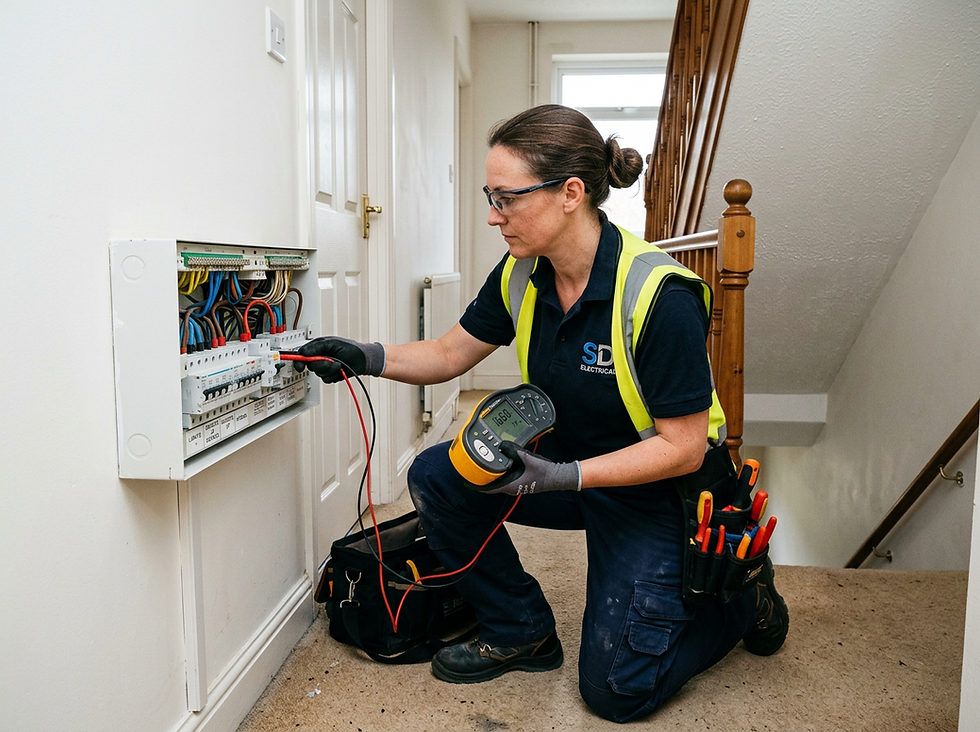
EICR stands for Electrical Installation Condition Report. It is a formal report produced after a qualified electrician or approved electrical contractor inspects and tests the fixed electrical installation in a property.
The fixed installation includes the parts of the electrical system that are built into the property, such as:
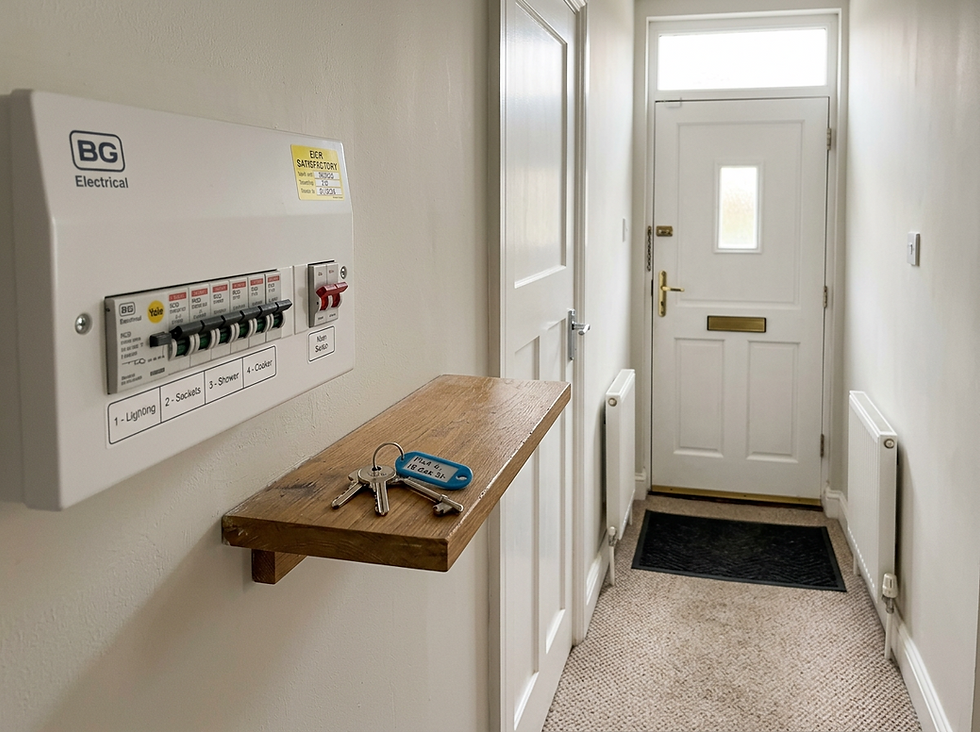
Consumer units and fuse boards
Wiring and circuits
Light fittings and switches
Socket outlets
Earthing and bonding
Protective devices, such as RCDs
Electrical supplies to fixed equipment, where applicable
An EICR does not usually cover portable appliances such as kettles, lamps, televisions, or microwaves. Those are checked through portable appliance testing, often called PAT testing, where needed.
The aim of an EICR is simple: to assess whether the electrical installation is safe for continued use. The electrician checks for damage, wear, poor workmanship, overloading, outdated parts, missing protection, and any signs that the installation could cause electric shock or fire.
The report records the condition of the installation at the time of inspection. It is not a guarantee that nothing will ever go wrong later, but it gives a clear and professional snapshot of the system’s safety.
What happens during an EICR inspection
An EICR is more detailed than a quick visual check. The electrician will usually combine inspection with electrical testing, then record the findings in a structured report.
The exact process depends on the size, age, and layout of the property, but it often includes these steps.
The electrician visually inspects the installation
The electrician looks for obvious signs of risk. This may include broken sockets, damaged accessories, exposed conductors, overheating, incorrect labels, old wiring, or poor alterations.
They may also check whether the consumer unit is accessible and whether circuits are clearly identified. In older properties, they may look for signs that electrical work has been added over time without proper testing.
The circuits are tested
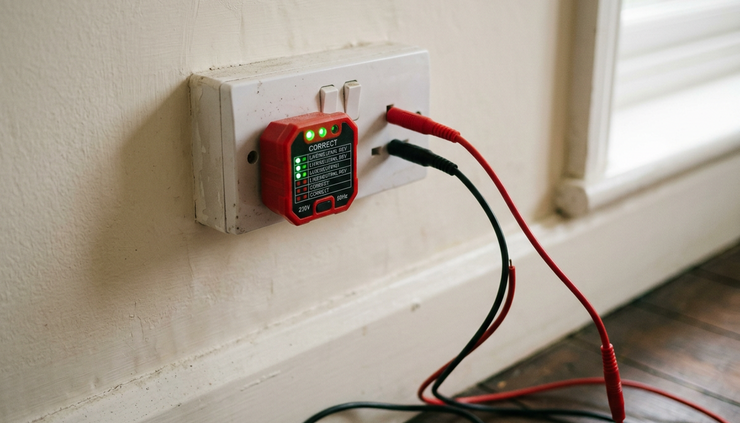
Testing helps reveal problems that cannot be seen from the outside. The electrician may test insulation resistance, circuit continuity, polarity, earthing arrangements, and the operation of protective devices.
This is where an EICR becomes especially useful. A cable can look fine at a glance but perform poorly under test. A protective device can appear normal but fail to disconnect the supply quickly enough during a fault.
Power may need to be turned off
Some parts of the inspection require circuits to be isolated safely. That means the power may be switched off for short periods.
In a home, this can affect lighting, heating controls, Wi-Fi, fridges, freezers, and alarms. In a rental or commercial property, access planning matters even more because people may be living or working there during the inspection.
Limitations are recorded
Electricians cannot always inspect every cable or accessory. Flooring, fitted furniture, locked rooms, tenant belongings, and inaccessible lofts can restrict access.
A good report should make any limitations clear. That way, the person reading the report understands what was checked and what could not be fully inspected.
Why an EICR matters
Electricity is part of daily life, which makes it easy to treat it as harmless. Yet poor electrical installations can lead to serious hazards, especially in properties with older wiring, heavy appliance use, DIY alterations, or a history of repeated tripping.
An EICR matters because it gives clear answers where guesswork is risky.
It helps protect people in the property
The main reason for an EICR is safety. Electrical faults can cause electric shock, burns, and fires. A report can highlight urgent dangers and give clear guidance on what needs attention.
Common issues found during inspections include:
Damaged socket outlets
Loose connections
Inadequate earthing or bonding
Circuits without suitable RCD protection
Signs of overheating at the consumer unit
Poorly installed additions or alterations
Old wiring that may no longer be safe for continued use
Some issues may be minor. Others need immediate action.
It supports legal duties for landlords
In England, private landlords generally need to have the electrical installations in their rental properties inspected and tested at least every five years by a qualified person. They must provide copies of the report to tenants and, if requested, to the local authority. If the report requires remedial work, timeframes apply.
Rules can differ across Scotland, Wales, and Northern Ireland, and they can also vary by property type. Landlords should check the rules that apply to their specific property and tenancy.
This article is for general information only and is not legal advice.
It helps buyers understand a property
A standard property viewing rarely reveals the true condition of the electrics. A house may have fresh paint, new flooring, and modern fittings while still having older wiring behind the walls.
For home buyers, an EICR can help identify whether the electrical installation is likely to need repair or upgrading. It may not be part of every purchase, but it can be useful when buying an older property, a renovated property, or a home with visible signs of DIY electrical work.
It can help with insurance and records
Some insurers, managing agents, mortgage providers, or local authorities may ask for evidence that the electrical installation has been checked. This is more common in rental, commercial, or higher-risk settings.
Even when nobody asks for it, keeping an EICR on file gives a property owner a useful safety record. It shows when the installation was inspected, what was found, and what action was taken.
What the EICR codes mean
An EICR does not simply say “good” or “bad”. It uses observation codes to classify defects. These codes help explain how serious a problem is and what action should follow.
Code | Meaning | What it usually means in practice |
C1 | Danger present | There is an immediate risk, and action is needed without delay |
C2 | Potentially dangerous | The issue is not immediately dangerous in the same way as C1, but it is unsafe and needs repair |
C3 | Improvement recommended | The installation is not necessarily unsafe, but upgrading would improve safety |
FI | Further investigation required | The electrician cannot confirm safety without more investigation |
A report is usually considered satisfactory when it contains no C1, C2, or FI observations. If it contains any of those, it is usually unsatisfactory until the problems are dealt with and documented.
A C3 code does not normally make the report unsatisfactory on its own. It means the installation could be improved, often because safety standards have changed since it was installed.
For example, an older consumer unit may not match the current standard for a new installation, but that does not always mean it is unsafe. The electrician’s job is to assess risk, not simply to demand that every older part be replaced.

When you need an EICR
The right timing depends on the property, how it is used, and any legal duties that apply.
For rental properties
Landlords should treat the EICR as a core safety document. If the property is privately rented, the report must usually be renewed within the required inspection period, often no more than five years in England.
A new report may also be sensible after major electrical work, a change in property use, or a long period without proper inspection.
For homeowners
Homeowners are not generally required by law to have a regular EICR for their own home, but it can still be a sensible step.
An EICR is useful if:
The property is old or has not been inspected for many years
Lights flicker or circuits trip often
Sockets feel warm or show burn marks
There has been water damage
Major renovation work is planned
The consumer unit looks outdated
Previous owners carried out unknown electrical work
It can also give peace of mind before bringing in high-load appliances, such as electric showers, ovens, hot tubs, or EV charge points. Those additions need suitable circuits and protection.
For buyers and sellers
A buyer may request an EICR before exchange, especially on older homes. A seller may choose to arrange one in advance to reduce uncertainty and answer safety questions early.
A satisfactory report can make the sales process smoother. An unsatisfactory one does not always kill a sale, but it may lead to quotes for remedial work or further discussion about price.
After electrical work
Not all electrical work requires a full EICR. New electrical installation work should come with the correct certification for that work, such as an Electrical Installation Certificate or Minor Electrical Installation Works Certificate.
An EICR is different. It checks the condition of an existing installation rather than certifying newly completed work.
How long an EICR takes and what affects the cost
The time needed for an EICR depends on the size and complexity of the installation. A small flat may take far less time than a large house with several consumer units, outbuildings, electric heating, or older wiring.
Cost can vary for the same reasons. The price may be affected by:
Number of circuits
Property size
Access to sockets, lofts, boards, and cupboards
Condition and age of the installation
Location
Whether the property is occupied
Whether outbuildings or external circuits are included
Very cheap inspections can be a warning sign if they leave too little time for proper testing. A careful EICR needs access, methodical testing, and clear reporting.
Before booking, it is reasonable to ask what is included, how long the inspection is likely to take, and whether any limitations are expected.
What happens if the report is unsatisfactory
An unsatisfactory EICR means the installation has one or more issues that need attention. It does not always mean the whole property needs rewiring.
The next step is to review the observations and arrange remedial work with a suitable electrician. Urgent C1 items need immediate action. C2 and FI items also need to be addressed so the installation can be considered safe.
After remedial work, the electrician should provide written evidence of what has been done. Depending on the situation, that may be a certificate for the remedial work, written confirmation, or a follow-up report.
For landlords, keeping records matters. Tenants, letting agents, local authorities, and insurers may need proof that required work was completed.
How to prepare for an EICR
A little preparation can make the inspection faster and more complete.
Before the electrician arrives:
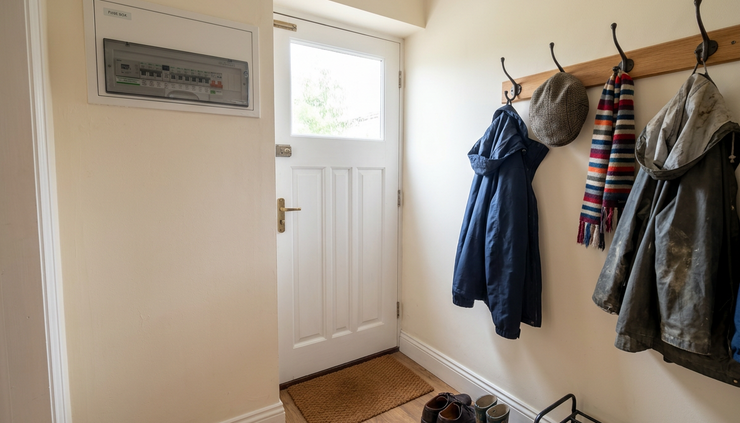
Clear access to the consumer unit
Make sockets and switches easy to reach where possible
Unlock cupboards, garages, loft hatches, and outbuildings that contain electrical equipment
Tell occupants that power may be turned off
Shut down sensitive equipment safely
Share any previous electrical certificates or reports
Mention known faults, tripping circuits, or recent electrical work
If the property is rented, the tenant should get reasonable notice and a clear idea of what to expect. The electrician will need access to more than just the fuse board, so planning helps avoid repeat visits.
What to look for in a qualified electrician
An EICR should be carried out by someone competent to inspect, test, and report on electrical installations. The person should have suitable training, experience, test equipment, and knowledge of the current wiring regulations.
When choosing an electrician, ask clear questions:
Are they qualified and experienced in inspection and testing?
Do they carry suitable insurance?
Will the report include circuit details and observation codes?
Will they explain any defects in plain English?
Can they provide quotes for remedial work separately?
Be cautious if someone promises a pass before seeing the property. A proper EICR is an assessment, not a rubber stamp.
The key takeaway
An EICR is a practical safety check for the fixed electrics in a property. It identifies damage, defects, and risks that may not be visible day to day. For landlords, it often forms part of a legal duty. For homeowners and buyers, it gives a clearer view of the condition of the installation.
The report is most useful when it leads to action. A satisfactory result gives reassurance. An unsatisfactory result gives a clear route to make the property safer.
If the electrics are old, untested, frequently tripping, or part of a rented property, arranging an EICR is a sensible next step. It is a small piece of paperwork with a serious purpose: keeping people and property safe.