Where Can I Book a Reliable Electrician Near Me for an EICR

Electrical safety is one of those things many people only think about when a tenancy starts, a sale is underway, or something stops working. Then the question becomes urgent: where can you book a reliable electrician near you for an EICR without wasting time or risking a poor report?
The short answer is to use a service that specialises in Electrical Installation Condition Reports and works with qualified electricians across the UK. One option is EICR Solutions, where you can arrange an EICR through their website at www.eicrsolutions.co.uk.
An EICR is not just another certificate to file away. It is a formal inspection of the fixed electrical installation in a property. That includes wiring, consumer units, sockets, switches, earthing, bonding, and other parts of the installation that affect safety.

Why booking the right electrician matters
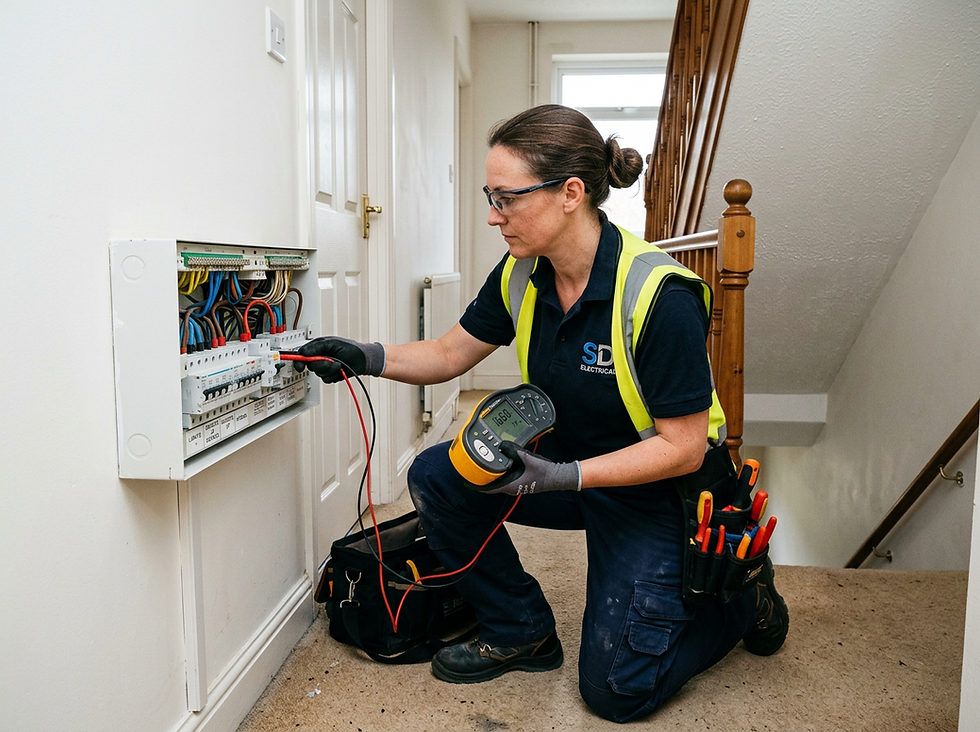
An EICR should be carried out by someone competent, experienced, and properly equipped. The electrician is not simply looking to see whether the lights turn on. They are checking whether the installation is safe for continued use.
A poor inspection can cause several problems:
Unsafe faults may be missed.
The report may not be accepted by a letting agent, buyer, insurer, or local authority.
You may pay twice if the first report is incomplete or unclear.
Remedial work may be recommended without proper explanation.
A good electrician will test, inspect, record findings clearly, and explain what the result means. If the report is unsatisfactory, they should be able to tell you what needs attention and why.
That is why the best answer to Where Can I Book a Reliable Electrician Near Me for an EICR is not simply “the cheapest listing online”. It is better to book through a service that understands EICRs and can connect you with someone suitable for the property type.
What an EICR actually checks
An Electrical Installation Condition Report looks at the condition of the fixed electrical system. It is different from appliance testing, which looks at portable items such as kettles, microwaves, and extension leads.
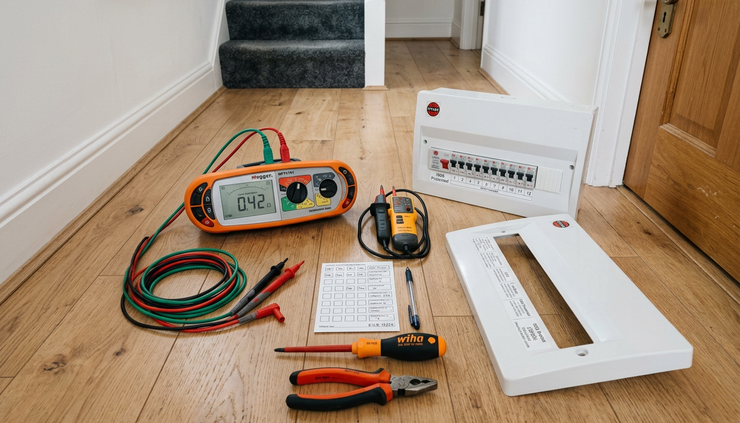
During an EICR, the electrician will usually inspect and test areas such as:
Consumer unit or fuse board
Protective devices such as RCDs and RCBOs
Earthing and bonding
Socket outlets and switches
Lighting circuits
Cable condition where accessible
Signs of overheating, damage, wear, or poor workmanship
Electrical risks in bathrooms, kitchens, outbuildings, and external areas
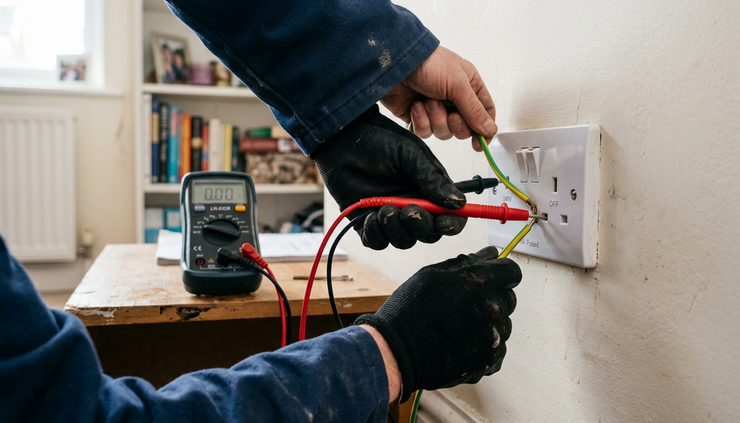
The inspection may include both visual checks and electrical testing. Some parts of the installation may need to be isolated while testing takes place, so power may be turned off for short periods.
The outcome is usually marked as either satisfactory or unsatisfactory.
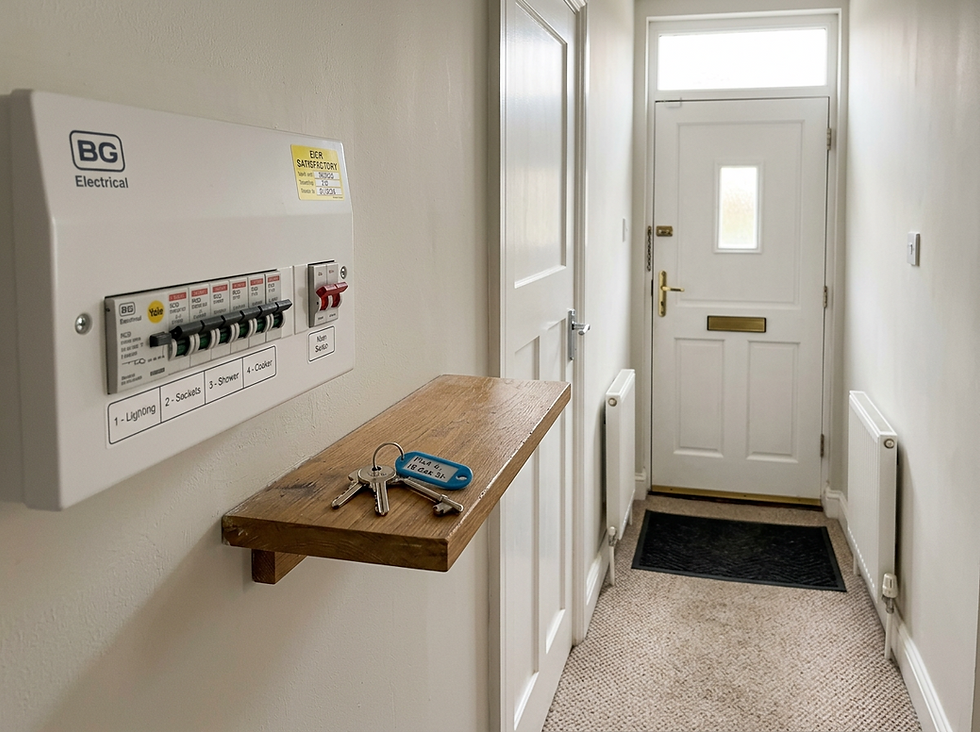
A satisfactory report means the installation is considered safe for continued use at the time of inspection. An unsatisfactory report means one or more issues need attention.
Common EICR codes include:
Code | What it means | Usual outcome |
C1 | Danger present | Urgent action needed |
C2 | Potentially dangerous | Remedial work needed |
FI | Further investigation required | More checks needed |
C3 | Improvement recommended | Not usually a fail on its own |
A C3 item does not normally make the report unsatisfactory by itself. C1, C2, and FI observations usually need to be dealt with before the installation can be treated as satisfactory.
Who needs an EICR
Many people book an EICR because someone has asked for one. Others book one because the property is old, has had electrical issues, or is about to be rented, sold, or renovated.
You may need an EICR if you are:
A landlord preparing for a new tenancy
A letting agent managing rental properties
A homeowner buying or selling a property
A homeowner concerned about older wiring
A property manager responsible for communal areas
A business owner checking electrical safety duties
A buyer who wants more confidence before exchange
In England, private landlords generally need a valid EICR for rented homes at least every five years, or sooner if the report recommends it. Rules and duties can vary by property type and part of the UK, so it is sensible to check what applies to your situation.
For owner-occupied homes, an EICR is not always a legal requirement. Even so, it can be useful if the property has not been checked for many years, has old wiring, or shows warning signs such as burning smells, frequent tripping, damaged sockets, or flickering lights.
How to choose a reliable electrician near you
The word “near me” matters because electrical inspections are physical visits. A local or regional electrician can usually attend more easily, understand common property types in the area, and deal with follow-up work if needed.
When choosing who to book, look for these signs.
They understand EICRs, not just small repairs
Many electricians can replace a socket or fit a light. An EICR needs methodical inspection and testing. The electrician should be comfortable producing a written report with clear observations and codes.
Ask whether they regularly carry out EICRs for your type of property, such as rented homes, flats, HMOs, commercial units, or older houses.
They explain the process clearly
A reliable electrician should be able to explain:
How long the visit is likely to take
Whether power will need to be turned off
What areas they need to access
When the report will be issued
What happens if faults are found
If the answer is vague, rushed, or focused only on price, it may be worth looking elsewhere.
They are properly qualified and insured
Electrical work in the UK should be carried out by competent people. For an EICR, you want someone with the right inspection and testing knowledge, not just general DIY experience.
They should also have suitable insurance. This protects both sides if something goes wrong.
They provide a clear report
A good EICR should be readable. It should list observations, codes, test results, and the overall condition of the installation. If remedial work is needed, the report should make it clear what the concern is.
You should not be left guessing what a code means or whether the property is safe.
They avoid scare tactics
Electrical safety is serious, but a professional should not use panic to pressure you into instant extra work. If the installation has dangerous defects, they should explain the risk plainly and tell you what needs to happen next.
A reliable electrician gives clear advice, not confusion.
What happens when you book an EICR
Booking an EICR is usually straightforward, especially if you have the basic property details to hand.
Most bookings follow a similar pattern.
Share the property details
You will usually need to provide the property address, property type, number of bedrooms or circuits if known, access details, and whether the property is occupied.
Choose a suitable appointment
The electrician will need access to the consumer unit, sockets, switches, and other parts of the installation. If the property is tenanted, the appointment may need to be arranged with the occupier.
Prepare the property
Clear access helps the inspection run smoothly. Move items away from the fuse board, make sockets reachable where possible, and let people in the property know that power may go off during testing.
Let the electrician inspect and test
The electrician will carry out visual checks and electrical tests. They may ask questions about known faults, previous work, or parts of the property that are difficult to access.
Receive the report
After the visit, you should receive the EICR showing whether the installation is satisfactory or unsatisfactory. If issues are found, the report should list the relevant codes.
Arrange remedial work if needed
If the report is unsatisfactory, the dangerous or potentially dangerous issues need to be fixed. After remedial work, you may receive confirmation that the required items have been addressed.

How to prepare before the electrician arrives
You do not need to understand electrical testing to prepare well. A few simple steps can save time and reduce disruption.
Before the appointment:
Make sure the electrician can access the consumer unit.
Clear items away from sockets where practical.
Unlock cupboards, garages, outbuildings, or meter areas if they contain electrical equipment.
Tell the electrician about known issues, such as tripping circuits or damaged fittings.
Save any previous EICR or electrical certificates if you have them.
Warn anyone working from home that the power may be interrupted.
If you are a landlord or agent, make sure the tenant knows who is attending and roughly what will happen. Clear communication helps avoid missed appointments and delays.
If the property has alarms, medical equipment, servers, fish tanks, or other items affected by power loss, mention this before testing starts. The electrician can then plan the work more carefully.
What can cause an EICR to fail
An unsatisfactory EICR does not always mean the whole installation is in terrible condition. Sometimes one serious defect is enough to make the report unsatisfactory.
Common issues include:
No RCD protection where it is needed
Damaged sockets or switches
Exposed live parts
Poor earthing or bonding
Overloaded circuits
Signs of overheating
Unsafe DIY alterations
Water damage near electrical fittings
Old equipment that no longer offers suitable protection
Circuits that cannot be tested properly without further investigation
Some older installations can still be safe, but age often raises the chance of wear, poor alterations, or missing modern protection. The electrician’s job is to judge the condition against current safety expectations and the actual risk.
If your report is unsatisfactory, ask for the findings in plain English. You should understand which issues are urgent, which are recommended improvements, and what the next step should be.
Why the cheapest EICR is not always the best value
Price matters, especially for landlords or agents managing several properties. But an EICR that is rushed, unclear, or incomplete can cost more in the long run.
A very low price may mean the electrician has allowed too little time for a proper inspection. It may also mean the report lacks detail, or that follow-up support is limited.
Better value usually means:
The booking process is clear.
The electrician is competent and prepared.
The inspection is thorough enough for the property.
The report is understandable.
Remedial advice is practical.
Communication is reliable.
For a small flat, the inspection may be quicker than for a large house, older property, HMO, or commercial premises. The time and cost should reflect the work involved.
Booking through EICR Solutions
If you are trying to book a reliable electrician near you for an EICR, using a dedicated EICR service can make the process easier. Instead of calling around, comparing vague quotes, and hoping the person is suitable, you can start with a provider focused on this type of inspection.
EICR Solutions offers a direct route for arranging an Electrical Installation Condition Report in the UK. This can be useful if you need an EICR for a rental property, home sale, property purchase, or general safety check.
You can visit EICR Solutions to book an EICR and start the process online.
When booking, have the property details ready. If there are access issues, tenants, parking restrictions, or known electrical problems, share those early. The more accurate the information, the smoother the appointment is likely to be.
The best next step
A reliable EICR gives you more than paperwork. It tells you whether the fixed electrical installation is safe for continued use, what needs attention, and what to do next.
If you need an inspection, do not choose purely on speed or price. Look for a competent electrician, a clear report, and a booking process that makes the job simple.
For a straightforward place to start, go to www.eicrsolutions.co.uk and arrange an EICR with the property details to hand. That way, you can move from uncertainty to a clear electrical safety report without unnecessary delay.